Proud Veteran-Owned Business Partner to The Purple Heart Foundation

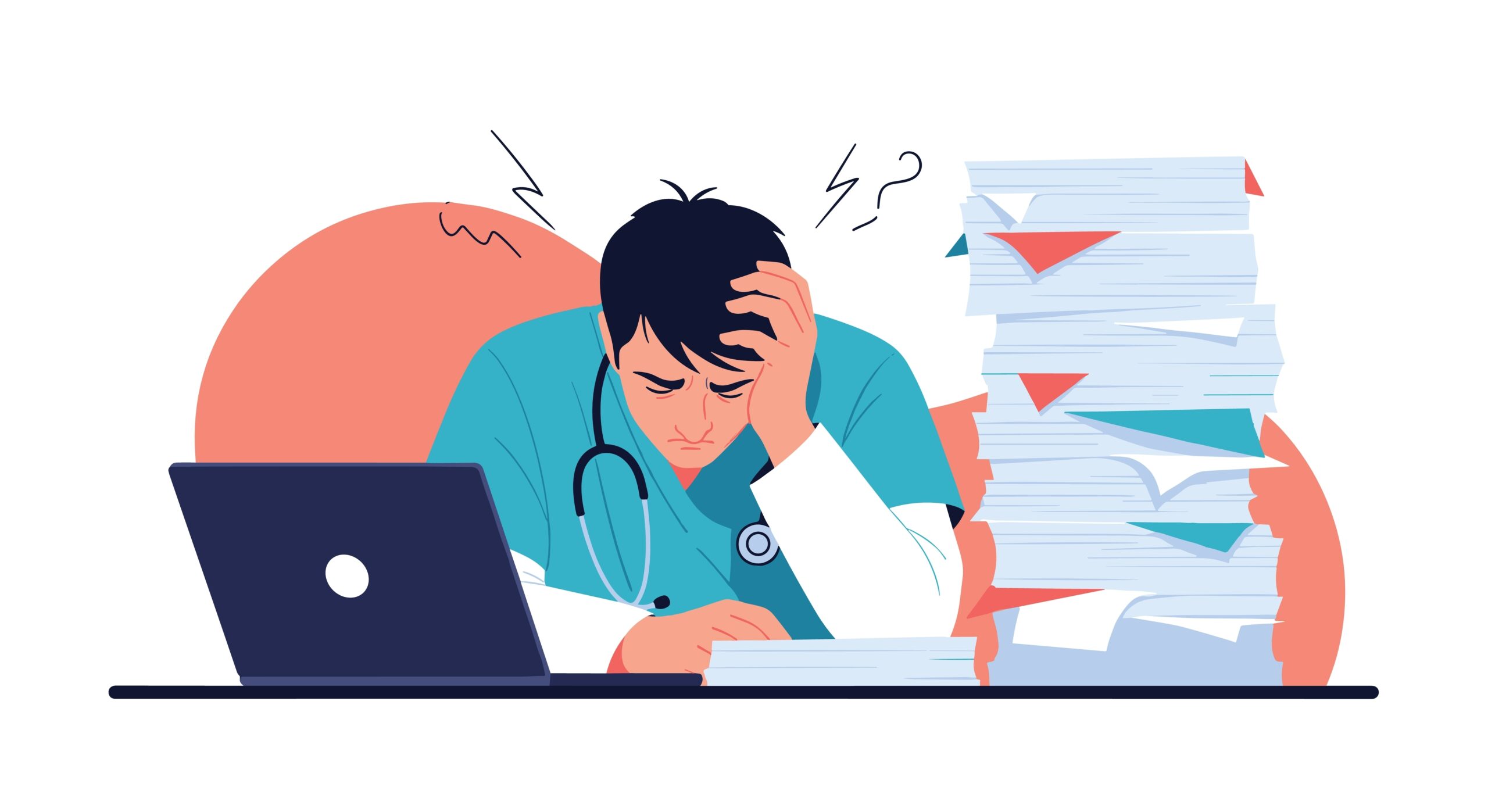
VA medical opinions are often challenged or considered unfavorable because they are frequently “insufficient for rating purposes.” This usually happens when a C&P examiner fails to perform a complete record review, ignores your service treatment records, or lacks the specialized expertise to evaluate complex mental health conditions like PTSD, anxiety, or depression. When the Department of Veterans Affairs denies a veteran’s claim, it is almost always due to a negative medical opinion. This means the examiner stated it is “less likely than not” that your condition is related to your military service.
If you have served in the United States military, you know how hard it is to get a straight answer sometimes. Whether you were stationed at Camp Pendleton in California, Fort Liberty in North Carolina, or MacDill Air Force Base in Florida, you expected your medical history to follow you. Unfortunately, during the VA disability claims process, many service members find that their claims file is ignored. This leads to an unfavorable opinion and a claim denial.
At VMHA, we provide ethical advocacy for veterans who are tired of being underrated. This is not a “network” of random doctors. We are an in-house team that provides uncompromising quality. We help you fight back with high-quality Medical Nexus Letters that provide the detailed explanations the VA needs to grant your VA disability benefits.
So, why are VA medical opinions often challenged or considered unfavorable? A lack of time. Many healthcare providers working for the VA or private contractors are asked to see too many people in one day. This leads to a rushed medical evaluation.
When an examiner is in a rush, they often make these mistakes:
If your initial claim was based on a 15-minute exam, it is highly likely the rating decision will be unfavorable. An examiner must provide a “rationale” for their choice. If that medical rationale is missing or weak, your veteran’s claim can and should be challenged.
A thorough Record Review is the backbone of any strong VA disability claim. To give a fair opinion, a VA doctor must look at your entire medical history. This includes your service treatment records, military records, and any private medical records from your own healthcare providers.
Many veterans find that their service records from active duty are “lost” or ignored. If an examiner claims there is no evidence of a traumatic event in your service records, but you have a lay statement from a fellow service member who was there, the opinion is flawed.
At VMHA, our expert psychologists perform an exhaustive review of your claims file. We look for the “hidden” evidence that others miss. We ensure that your Medical Nexus Letters are built on a foundation of facts, not just a quick guess from a stranger.
Mental health claims for PTSD, anxiety, and depression are some of the most common VA disability benefits sought by veterans. They are also the most likely to be challenged. Unlike a physical injury, a mental health disorder can’t always be seen on an X-ray.
The VA rates mental health based on your social impairment and how your symptoms affect your daily life. Many examiners give unfavorable opinions because they don’t understand the “severity of symptoms.” They might see you on a “good day” and assume you are fine.
Statistic: According to the Veterans Benefits Administration (VBA) Annual Benefits Report, mental health conditions are among the most prevalent service-connected disabilities, yet they also represent a significant portion of claims that go through the appeals process due to initial unfavorable opinions.
If a general healthcare professional evaluates your post-traumatic stress disorder, they might miss the nuances of your veteran’s condition. This is why VMHA only uses licensed psychologists. We speak with clinical authority because we specialize in this field.
If you receive a claim denial, the good news is that you have options. One of the best ways to challenge a negative medical opinion is by filing a Supplemental Claim.
A Supplemental Claim allows you to submit new evidence. This is your chance to provide a high-quality Independent Medical Opinion (IMO) that corrects the mistakes of the VA examiner. By providing additional evidence—like a Medical Nexus Letter that cites medical literature—you can show the VA that the first opinion was wrong.
Whether you are living in the suburbs of Jacksonville, Florida or near the Alamo in San Antonio, Texas, our remote services allow you to get this expert medical opinion without leaving your home.
Sometimes, the evidence in your claims file is already enough to win, but the rater made a mistake. In this case, a Higher-Level Review (HLR) might be the right choice.
During an HLR, a more experienced VA rater reviews your initial claim. You cannot add new evidence, but you can point out where the first examiner ignored VA regulations or the Benefit of the Doubt Rule. If the medical evaluation was “insufficient,” the senior rater can send it back for a new exam. This is a vital part of the VA disability claims process.
The Benefit of the Doubt Rule is a powerful tool for veterans. It states that if the evidence for and against your veteran’s claim is equal, the VA must decide in your favor. This is also called “equipoise.”
When a VA doctor gives an unfavorable opinion, they often use the phrase “less likely than not.” If you provide an Independent Medical Opinion that says “at least as likely as not,” the evidence is now equal. According to VA regulations, the tie must go to the veteran. Many negative opinions are challenged successfully simply by applying this rule.
If an examiner gives a negative medical opinion that doesn’t match your everyday life, you need lay evidence. VA Form 10210, also known as the Lay/Witness Statement, allows family members, friends, or a fellow service member to provide firsthand accounts of your symptoms.
A spouse’s personal statement can describe your chronic sleep impairment or your social anxiety disorder in ways a 20-minute exam can’t. When the VA sees witness statements that contradict a rushed medical report, they are forced to look at the additional evidence. This can be the “tipping point” that turns an unfavorable opinion into a win.
Veterans exposed to Agent Orange often face challenges when filing for mental health conditions. While the VA recognizes many physical illnesses as “presumptive” for Agent Orange, mental health is often seen as a secondary condition.
If an examiner gives an unfavorable opinion on a secondary claim, it is often because they failed to see the “nexus” between your physical pain and your depression or anxiety. At VMHA, we use medical literature to explain how chronic illness from toxic exposure leads to a decrease in work efficiency and mental health decline.
We see you. You might be the veteran who:
You are not alone. These are the exact situations where a private medical expert can make the difference. We help you move from an unfavorable opinion to the VA compensation you actually deserve.
If your Supplemental Claim and HLR are denied, you can file a Board Appeal with the Board of Veterans’ Appeals (BVA). This is a higher level of the appeals process where a judge reviews your case.
A Board Appeal allows for detailed explanations of why the initial medical evaluation was wrong. Judges are often more willing to listen to a medical expert and apply the Benefit of the Doubt Rule than a local rater. However, this level can take time. This is why having a strong nexus letter from the start is so important.
Yes. If you can prove the exam was “inadequate”—meaning the doctor didn’t perform a Record Review or was unprofessional—you can ask the VA for a new one. Submitting a personal statement about the bad exam is a good first step.
Read Our Blog “What if I Had a Bad C&P Exam?” To learn more.
This is a very common reason for unfavorable opinions. You must show that your military service is a “contributing factor,” even if other stressors exist. An expert psychologist can help clarify this link in a Supplemental Claim.
For a secondary condition (like anxiety caused by back pain), the VA needs to see a “medical nexus.” Without a well-written nexus letter, the VA will often claim the two issues are unrelated, leading to a claim denial.
Absolutely. For mental health conditions, your daily life is the evidence. A witness statement from a loved one provides the “human side” of the story that medical codes can’t capture.
At VMHA, we believe in absolute transparency. VMHA offers a flat, upfront fee. We don’t take a percentage of your VA disability compensation or your backpay. We provide a complimentary Case Review to make sure we can actually help you before you pay.
From the military hubs of San Diego, California and Jacksonville, North Carolina, to the rural areas of Pennsylvania and Virginia, we serve veterans in all 50 states.
An unfavorable opinion is not a permanent “no.” It is a sign that the Department of Veterans Affairs didn’t have the right information. By understanding why are VA medical opinions often challenged or considered unfavorable, you can take the steps to fix your veteran’s claim.
Don’t let a rushed C&P exam define your future. You earned your VA disability benefits through your military service. Let VMHA provide the uncompromising quality and expert medical opinion you need to win.
Are you ready to challenge a negative medical opinion?
 VMHA
VMHA