Proud Veteran-Owned Business Partner to The Purple Heart Foundation

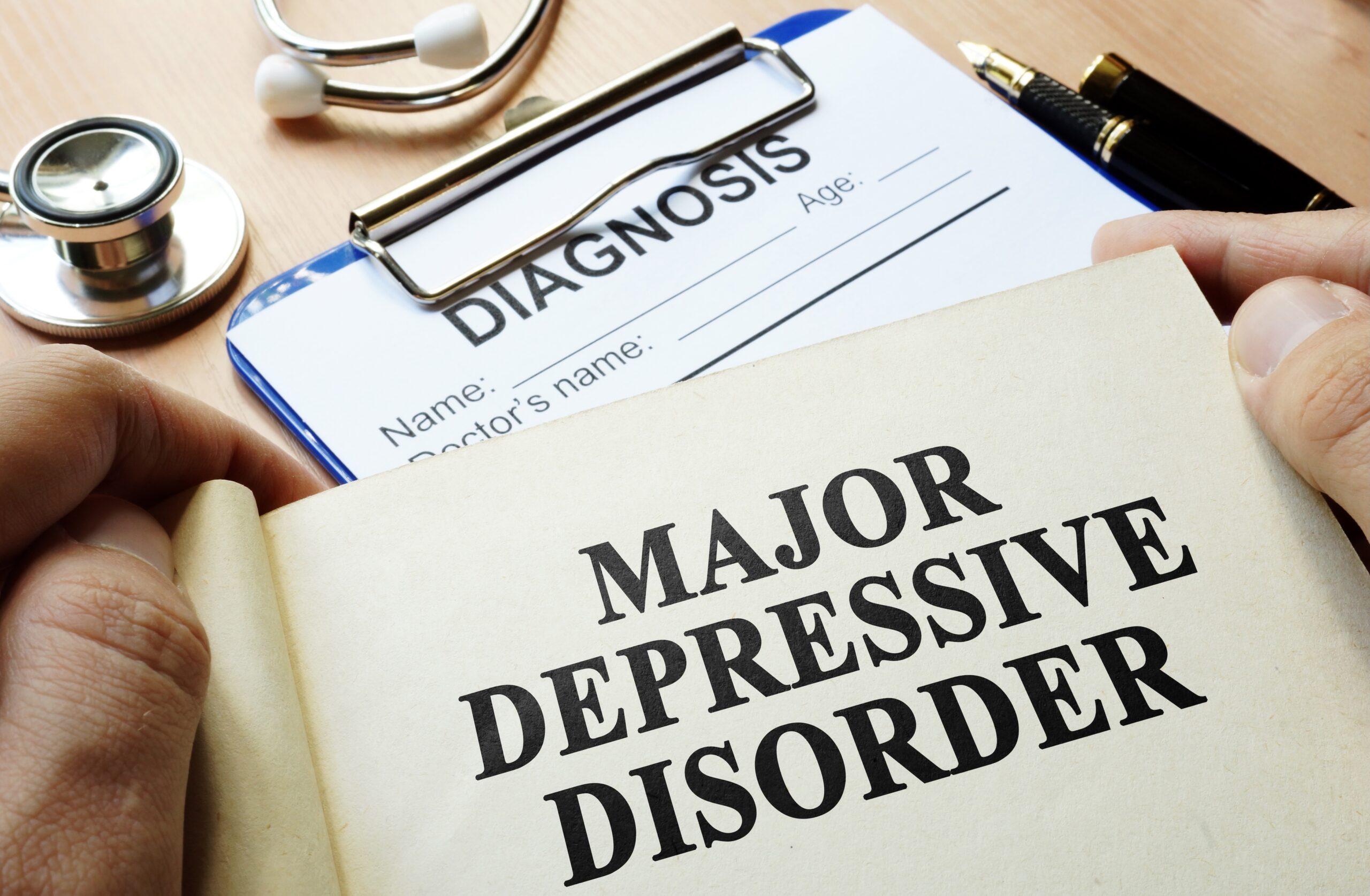
You served your country with honor. Now, you deserve to be supported in your healing.
If you are a veteran living with Major Depressive Disorder (MDD), you are fighting a silent battle. The persistent sadness, lack of energy, and feeling of hopelessness can make every day feel like a struggle. The Department of Veterans Affairs (VA) recognizes depression as a serious, service-connected disability, but getting the correct Major Depressive Disorder VA rating can feel like navigating a maze without a map.
At VMHA, we believe no veteran should fight this battle alone. We built our organization to provide high-quality psychologists, ethical advocacy, and an experience you can trust. Our team is not a “nexus mill” churning out cheap letters. We are for veterans who have done their research and refuse to sacrifice their benefits for a quick fix.
This comprehensive guide will explain exactly how the VA rates depression, what medical evidence you need to prove your claim, and how to ensure you get the compensation you have earned.
The VA does not just look at your diagnosis; they look at how your condition affects your daily life. Specifically, they look at your “occupational and social impairment.”
This basically means: How much does your depression hurt your ability to work and your ability to have relationships?
The VA uses the General Rating Formula for Mental Disorders to assign your rating. This is the same scale used for PTSD and anxiety. The ratings range from 0% to 100%.
Here is a breakdown of what the VA looks for at each rating level:
To get a Major Depressive Disorder VA rating, you must prove your depression is related to your service. This is called service connection. It is the “golden key” that unlocks your disability compensation.
You must prove three specific elements to win your claim. Think of this as a three-legged stool. If you are missing one leg, the stool falls over, and your claim is denied.
The Nexus Letter is often the missing piece of the puzzle. It is a document from a doctor that states your condition is “at least as likely as not” (50% probability or more) caused by your service. Without this medical rationale, the VA will likely deny your claim.
Learn more about Understanding The VA Nexus Letter For Mental Health Claims.
Yes. This is a powerful strategy that many veterans overlook. You can file for depression if it is caused by another service-connected disability. This is called a secondary service connection.
Common Examples:
At VMHA, our expert psychologists specialize in identifying these secondary links. We review your service history and physical conditions to see if they are the root cause of your current mental health struggles.
It is frustrating, but thousands of valid claims are denied every year. The most common reason is not that the veteran is lying; it is a lack of proper medical evidence.
According to a report by the U.S. Government Accountability Office (GAO), nearly 50% of initial mental health claims are denied. This high denial rate is often due to a lack of evidence linking the condition to service.
Specifically, veterans often fail to prove the Nexus. They have a diagnosis, and they have a service history, but they don’t have a medical professional connecting the two dots. Another common reason is the lack of in-service medical records. Many veterans follow the “suck it up” mentality while in uniform and never go to sick call.
Don’t let this stop you. You can overcome a lack of records with Lay Evidence (e.g., buddy statements) and a strong Independent Medical Opinion (IMO) from VMHA.
If you search online, you will find many companies promising to help you win. But it is vital to choose a provider who offers ethical advocacy and uncompromising quality.
Here is how VMHA stands apart:
View our Services page for transparent pricing.
You don’t have to take our word for it. The experience of other veterans is often the best guide. Here is what one veteran had to say about their experience with us in a confirmed Google Review:
“I highly recommend Dewayne and his team for assistance with VA mental-health claims. They worked quickly and efficiently to get my documents completed, and thanks to their support my rating increased from 30% to 50%.”
— KG
Technically, no. The VA has a rule against “pyramiding.” This means they will not pay you twice for the same symptom. Because PTSD, depression, and anxiety often share symptoms (like sleep problems or irritability), the VA groups them all together. You will receive one single mental health rating that reflects the combined severity of all your conditions.
It is harder, but not impossible. If you have an Other Than Honorable (OTH) discharge, you may still be eligible for VA healthcare and disability compensation if the VA determines your service was “honorable for VA purposes.” If your bad conduct was caused by undiagnosed mental health issues, you have a strong case for a discharge upgrade.
Generally, a 100% rating implies “total occupational impairment,” meaning you cannot work. However, if you have a 70% rating but your condition prevents you from keeping a job, you can apply for Total Disability Individual Unemployability (TDIU). This pays you at the 100% rate even if your rating is lower.
After you file your claim, the VA will schedule a Compensation and Pension (C&P) exam. This appointment is an important 30 minutes of your claim.
Your mental health and your financial stability are too important to leave to chance. You owe it to yourself to ensure your claim is based on a complete, accurate picture of your service and your health.
VMHA helps veterans get the Major Depressive Disorder VA rating they deserve by providing the high-quality medical evidence needed to win claims. We refuse to cut corners, and we are dedicated to helping you prove your case with ethics and integrity.
Don’t settle for a denial.
Contact us today to book your Independent Medical Opinion.
Ready to book your IMO with VMHA? Click Here
Want more information? Email us at info@vmhaforvets.com or call us at 214-307-2198
 VMHA
VMHA